


 India
Is Red Dunes Sandstone durable enough for use as walkway pavers?
Red Dunes Sandstone, like many sandstones, can vary in durability depending on its specific characteristics such as grain size, cementation, and composition. Generally, sandstone can be suitable for use as walkway pavers if it is hard and well-cemented. However, some key factors to consider include:
1. **Porosity and Absorption**: Sandstone is relatively porous, which means it can absorb water. In freeze-thaw climates, this could be an issue as the absorbed water might freeze, expand, and cause the stone to crack over time.
2. **Hardness and Wear Resistance**: Ensure that the Red Dunes Sandstone has adequate hardness to resist wear from foot traffic. Softer sandstones might erode faster, especially in areas with heavy use or in harsh weather conditions.
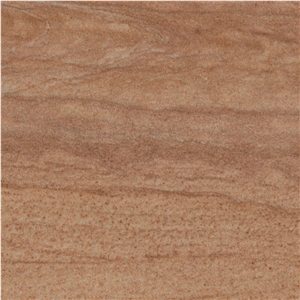
3. **Surface Texture**: Ensure the surface is slip-resistant, especially when wet, to prevent accidents. Sandstone usually has a rough texture that provides good traction, but its always wise to check.
4. **Sealing and Maintenance**: Applying a stone sealant can help reduce water absorption and enhance durability. Regular maintenance, including cleaning and resealing, can extend the lifespan of the pavers.
5. **Local Conditions**: Consider environmental factors such as weather conditions, site drainage, and potential exposure to chemicals or salt (e.g., salt used for deicing) that might affect the stone.
Overall, Red Dunes Sandstone can be a suitable option for walkway pavers if its specific qualities meet the necessary criteria for durability and safety in your area and with proper installation and maintenance practices. Its advisable to consult with a local stone supplier or an expert in natural stone installations to assess its suitability for your particular project.


 Italy


 United Kingdom


