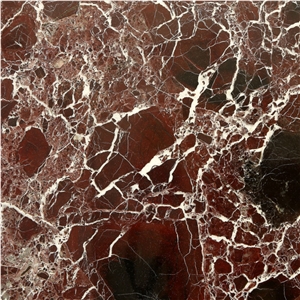
Cervenilla Marble originates from Kosovo and is known for its unique red and white color combination. In general, marbles are often used in various interior and exterior applications, including flooring, countertops, and cladding. However, when it comes to using marble in very humid climates, some considerations should be taken into account.
Marble is a natural stone and, like many other stones, it is porous, which means it can absorb water and moisture. In extremely humid climates, with excessive moisture and rain, the constant exposure to water can lead to several potential issues with marble installations, such as staining, discoloration, and deterioration.
While it is possible to use Cervenilla Marble in exterior applications in very humid climates, some precautions can be taken to minimize these negative effects. Applying a high-quality sealer specifically designed for natural stones can significantly help in reducing water absorption and protecting the marble from moisture-related problems. Regular maintenance and sealing will be essential to uphold the marbles appearance and longevity.
Furthermore, it is recommended to consult with a professional stone supplier or a local expert who has experience with marble installations in your specific climate conditions. They can provide specific guidance and recommendations based on the characteristics of Cervenilla Marble and the particular climate you are dealing with.
Overall, while Cervenilla Marble can be used in exterior applications in very humid climates, taking precautions and proper maintenance will be crucial to ensure its durability and aesthetic appeal over time.


 Kosovo

 United Kingdom


 China

 16YR


 Italy


 Iran

 Spain

 France


