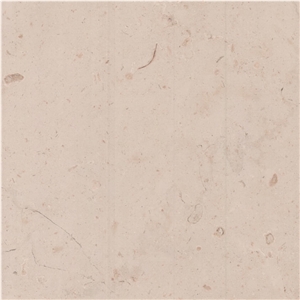
Dietfurt Limestone

About
Item Details
- Material Type:
- Limestone
- Origin:
Germany (Dietfurt,Treuchtlingen, Altmühltal, Bavaria) - Primary Color(s):
- Beige
- Recommended Usage:
- Kitchen and bathroom countertops, wash basins, building stone, ornamental stone, stairs, interior, exterior wall and floor applications, mosaic, waterjet pattern, wall panels, table tops, balustrades, columns, wall and pool copings, pool pavers, sculptures, fireplaces
- Additional Names:
- Dietfurter Gala Limestone, Dietfurter Kalkstein Gala, Dietfurter Dolomit, Dietfurt Kalkstein, Dietfurter Dolomit Limestone, Dietfurt Jura Limestone, Dietfurt Limestone
- Finished Surface:
- Polished,Bush Hammered,Tumbled,Brushed,Honed,Split,Machine Cut,Natural Surface,Sandblasted,Combed,Leathered,Water Jet,Filled,Chiseled,Pickling
Testing
- Water Absorption:
- 1.81 %
- Density:
- 2580 kg/m3
- Flexural Strength:
- 5.9 MPa
- Compressive Strength:
- 134.0 MPa
- Stone texture:
- beige and gray colors, which can also appear as a grey-beige mix; highly durable selection of Jura limestone from Germany, prized for its homogeneous appearance, high abrasive resistance, and timeless color options of beige and gray; Exceptionally hard and highly abrasive-resistant, suitable for high-foot traffic areas; Features a homogeneous, monolithic structure, often with minimal porosity, distinguishing it from other types of Jura limestone
Description
Dietfurt Limestone is a distinguished type of Jura limestone from Germany, known for its beige and gray color palette, which can also appear as a gray-beige mix. Here’s a more elaborate description of its attributes:
Physical and Mechanical Properties:
- Water Absorption: 1.81%
- Density: 2580 kg/m³
- Flexural Strength: 5.9 MPa
- Compressive Strength: 134.0 MPa
- Hardness: Exceptionally hard, suitable for high traffic areas
- Porosity: Minimal, contributing to its durability
- Slip Resistance: Good slip resistance, making it suitable for both indoor and outdoor applications
Chemical and Mineral Composition (approx.% by weight):
- Calcium Carbonate (CaCO₃): Predominant component, over 95%
- Magnesium Carbonate (MgCO₃): Approximately 1-3%
- Silica (SiO₂): Trace amounts
- Iron Oxide (Fe₂O₃): Trace amounts
- Alumina (Al₂O₃): Trace amounts
Usage:
- Flooring: Ideal for high-traffic areas due to its high durability and resistance to abrasion.
- Wall Cladding: Its homogeneous appearance makes it an excellent choice for creating clean and contemporary wall surfaces.
- Countertops: Provides a modern and sophisticated look for kitchen and bathroom countertops.
- External Paving: Suitable for outdoor spaces, including walkways and patio areas, because of its slip resistance and aesthetic appeal.
- Staircases: Can be used both indoors and outdoors due to its robustness and inherent beauty.
Maintenance:
- General Cleaning: Regular sweeping and damp mopping with a pH-neutral cleaner.
- Sealing: Periodic sealing to enhance stain resistance, especially in high-touch or spill-prone areas.
- Avoid Abrasives: Refrain from using harsh chemicals or abrasive cleaning tools to maintain the stone's finish.
Cutting Sizes (cm):
- Commonly available in large slabs, but standard sizes include:
- Tiles: 30x30, 30x60, 40x40, 40x60
- Slabs: Custom cut as per project requirements
Surface Finish Options:
- Polished: High gloss for reflective surfaces enhancing the stone’s natural color.
- Honed: Smooth, matte finish for understated elegance.
- Brushed: Textured finish, providing a more rustic or antique appearance.
- Sandblasted: Enhances slip, offering a rougher surface ideal for outdoor paving.
- Tumbled: Creates an aged or weathered effect.
Dietfurt Limestone's versatility and resilient nature make it a popular choice among architects and designers for both residential and commercial projects. Its timeless aesthetic and robust properties ensure long-lasting performance and low maintenance, adding value to any space.
FAQ
I apologize, but I couldnt find specific information on the average water absorption of Germanys Dietfurt Limestone. It is recommended to contact local geological or construction authorities in Germany for accurate and detailed data on the water absorption properties of Dietfurt Limestone.
Can Germany's Dietfurt Limestone be used in a dining room?
Yes, Germanys Dietfurt Limestone can be used in a dining room. Limestone is a popular choice for flooring due to its natural beauty and durability. It is commonly used in various indoor spaces, including dining rooms, as it can add elegance and warmth to the room. However, its important to note that limestone is a porous material, which means it can be prone to staining and etching if not properly sealed and maintained. Therefore, it is recommended to use a protective sealer on your limestone flooring to ensure it withstands the demands of a dining room environment.
Can Germany's Dietfurt Limestone be used exterior applications in very humid climates?
Germanys Dietfurt Limestone can be used in exterior applications in very humid climates, but it is important to consider a few factors.
Firstly, limestone is a natural stone that is porous and can absorb water. In a humid climate, where there is a lot of moisture in the air, the limestone may absorb more moisture and can potentially be prone to staining or discoloration over time. To mitigate this, it is recommended to apply a sealer or impregnator to the limestone to help protect it from moisture absorption.
Secondly, the specific type and quality of the limestone can also play a role in its suitability for exterior use in a humid climate. Dietfurt Limestone is known for its durability and resistance to weathering, but it is still important to ensure that the stone meets the necessary standards for outdoor use. It is recommended to consult with a professional in the stone industry or a local contractor who has experience working with Dietfurt Limestone in humid climates to ensure its suitability.
Lastly, regular maintenance and proper cleaning can help to preserve the appearance and longevity of the limestone in a humid climate. Regularly cleaning the limestone and removing any moss, algae, or dirt build-up will help to prevent any potential issues. Additionally, monitoring the condition of the limestone over time and addressing any signs of damage or deterioration promptly can help to maintain its integrity.
Overall, while Dietfurt Limestone can be used in exterior applications in very humid climates, it is important to consider the factors mentioned above and take proper precautions to ensure its suitability and longevity.
Can Germany's Dietfurt Limestone be used in landscaping?
Yes, Germanys Dietfurt Limestone can be used in landscaping. Dietfurt Limestone is a type of natural stone that is known for its durability, color variations, and ability to withstand outdoor elements. It is commonly used as a paving material for driveways, pathways, and patios. It can also be used for wall cladding, decorative elements, and landscaping features such as steps, retaining walls, and garden borders. The limestones natural beauty and versatility make it suitable for various landscaping projects.
Can Germany's Dietfurt Limestone be used outdoors?
Yes, Germanys Dietfurt Limestone can be used outdoors. It is a durable natural stone material that is suitable for exterior applications such as paving, cladding, and landscaping. Its weather-resistant properties make it ideal for use in various outdoor settings. However, it is important to consider the specific characteristics and finish of the limestone as certain types may be more suitable for particular outdoor applications than others. Additionally, regular maintenance and proper sealing can help extend the lifespan of the limestone in outdoor environments.
How thick is Germany's Dietfurt Limestone slabs?
The thickness of Germanys Dietfurt Limestone slabs can vary depending on the specific needs and application. However, typical thicknesses for Dietfurt Limestone slabs range from 2 centimeters (0.8 inches) to 5 centimeters (2 inches).
What is the coefficient of friction of Filled Germany's Dietfurt Limestone tiles?
The coefficient of friction of Filled Germanys Dietfurt Limestone tiles would depend on several factors such as the surface treatment, finish, texture, and the presence of any additional coatings or sealants.
To determine the coefficient of friction for a specific type of limestone tile, it is best to consult the manufacturer or supplier as they should have this information available. The coefficient of friction is usually expressed as a numerical value, which can range from very low (slippery) to high (highly slip-resistant).
Keep in mind that even within a specific type of limestone tile, there can be variations in the coefficient of friction due to different finishes or surface treatments. It is important to ensure that the desired level of slip resistance is achieved based on the specific application and location where the tiles will be installed.
What grade is Germany's Dietfurt Limestone?
I dont have access to the current grade of Germanys Dietfurt Limestone as it may vary based on different factors such as color, texture, density, and usage. However, I suggest consulting with a geological expert or a reputable stone supplier to obtain accurate information about the grade of the limestone.
Are there color variations of Germany's Dietfurt Limestone?
Yes, there are color variations of Germanys Dietfurt Limestone. The Dietfurt Limestone can come in a range of colors including beige, gray, brown, and reddish-brown. The color variation depends on the mineral composition and the geological formation of the limestone. Additionally, the quarrying and finishing techniques used can also affect the final color and appearance of the limestone.
Is Germany's Dietfurt Limestone an expensive stone?
I do not have access to real-time pricing information for stone products. However, Dietfurt limestone is considered a high-quality and durable stone often used in construction, which could make it more expensive than other types of limestone. Prices can vary depending on factors such as the size, shape, and finish of the stone, as well as the supplier and location. It is best to consult with a stone supplier or contractor for current pricing information.