Post Your Needs

Lapis Lazuli Limestone

Blue - Limestone

Chile

About

Item Details

Material Type:
Limestone
Origin:
Chile (Ovalle, Coquimbo Region)
Primary Color(s):
Blue
Recommended Usage:
Commercial tops, bar and bathroom countertops, ornamental stone, interior & exterior wall applications, mosaic, waterjet pattern, wall panels, table tops, fireplace surround, sculptures, balustrades, columns
Additional Names:
Lapis Lazuli Original Stone, Chilean Lapis Lazuli, Chile Lapis Lazuli, Lapislazuli Wild Stone, Lapislazuli Eyes Stone, Lapis Silver Stone, Lapis Lazuli Stone, Lapis Lazuli
Finished Surface:
Polished,Bush Hammered,Tumbled,Brushed,Honed,Split,Machine Cut,Natural Surface,Sandblasted,Combed,Leathered,Water Jet,Chiseled,Pickling

Testing

Water Absorption:
0.18 %
Density:
2835 kg/m3
Compressive Strength:
132 MPa
Stone texture:
a unique blue-toned natural stone material from Chile that features striking blue coloration created by mineral impurities. It is distinct from high-grade gemstone lapis lazuli—which forms via contact metamorphism in limestone host rocks—functioning instead as an architectural blue limestone used for decorative building projects. True lapis lazuli is an aggregate rock containing lazurite, calcite, and pyrite that typically develops inside metamorphosed limestone bodies FoidoliteStylolithic limestoneabyssal rock. "Lapis lazuli limestone" specifically references decorative blue limestone varieties (often sourced from regions like Chile) that mimic the vivid aesthetic of the gemstone for stone tile and decor applications

Description

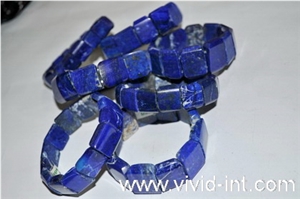
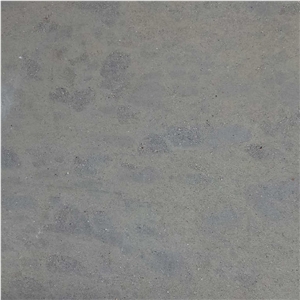
Lapis Lazuli Limestone is a unique and striking variety of natural stone that features a distinctive blue coloration, primarily sourced from quarries in the Ovalle region, Coquimbo, Chile. Unlike true lapis lazuli, which is a high-grade gemstone, this limestone is used mainly for architectural and decorative building projects. The blue hue in this limestone is due to mineral impurities, giving it a vibrant appearance suitable for aesthetic applications.

Physical and Mechanical Properties:

  • Water Absorption: 0.18%
  • Density: 2835 kg/m³
  • Flexural Strength: Specific value not provided, but generally, it indicates the stone's ability to resist deformation under load.
  • Compressive Strength: 132 MPa (MegaPascals)
  • Hardness: Hardness values are often assessed on the Mohs scale, but specific figures would need to be provided by testing.
  • Porosity: Generally low, contributing to its durability and reduced absorption.
  • Slip Resistance: Varies based on surface finish, essential for flooring applications to prevent slipping.

Chemical and Mineral Compositions (% by Weight):

  • Calcite: Dominant mineral, foundational to limestone.
  • Lazurite: Present in varying amounts, contributing to the blue hue.
  • Pyrite: Small amounts may be present, giving sparkle that mimics gemstone lapis lazuli.
  • Other Impurities: Trace minerals can affect color variability and overall appearance.

Usage:

  • Decorative Tiles for walls and floors, offering a unique aesthetic appeal.
  • Architectural Elements such as facades, cladding, and ornamental features that capitalize on its striking color.
  • Interior Decor Items like countertops, sinks, and accent pieces, emphasizing luxury and uniqueness.

Maintenance:

  • Regular Cleaning with a mild detergent and water to preserve its natural beauty.
  • Sealing may be recommended to protect against staining, especially in areas prone to moisture and heavy use.
  • Avoid Acidic Cleaners that can etch or damage the stone surface.

Cutting Sizes (cm):

  • Typically available in standard tile sizes such as 30x30, 30x60, 60x60, and custom dimensions based on project needs.

Available Common Surface Finish Options:

  • Polished - For a glossy, reflective surface that enhances the stone's vivid color.
  • Honed - A matte finish that softens the appearance and mitigates slip but retains color vibrancy.
  • Brushed - Provides texture, adding depth and slip resistance, popular for outdoor use.
  • Antiqued or Tumbled - Creates a rustic look, giving a sense of age and heritage.

Overall, Lapis Lazuli Limestone from Chile stands out as a compelling choice for those looking to integrate a bold, natural aesthetic into their architectural projects. Its physical properties make it a durable option, while its vibrant color and unique appearance offer a distinctive design choice.

FAQ

Can Chile's Lapis Lazuli Limestone be used exterior applications in cold climates?

Chiles Lapis Lazuli Limestone can be used for exterior applications in cold climates, but there are some considerations to keep in mind. Limestone is a natural stone that is susceptible to weathering and freeze-thaw cycles. In cold climates, where temperatures drop below freezing point, the water that seeps into the stone can freeze and expand, causing cracks and damage to the limestone. To minimize the risk of damage in cold climates, it is recommended to use a limestone with high durability and low water absorption. Chiles Lapis Lazuli Limestone is known for its strength and durability, which makes it suitable for exterior applications. Additionally, proper installation techniques and maintenance practices can help protect the limestone. For example, providing adequate drainage, sealing the stone, and cleaning it regularly can help prevent moisture penetration and minimize the effects of freezing and thawing. Its also worth considering the specific climate conditions in your area. If the temperatures regularly drop below freezing and the area experiences frequent freeze-thaw cycles, it may be beneficial to consult with a local stone expert or engineer to ensure the suitability of Lapis Lazuli Limestone for exterior applications.
Read question details

Can Chile's Lapis Lazuli Limestone be used in landscaping?

Yes, Chiles Lapis Lazuli Limestone can certainly be used in landscaping. Lapis Lazuli is a beautiful blue metamorphic rock, and its use in landscaping can add an elegant and unique touch to outdoor spaces. This limestone is often used for paving, pathways, patios, and as decorative rocks in gardens. Its striking blue color and natural veining patterns make it a popular choice for adding visual interest and creating a distinct aesthetic in landscaping projects.
Read question details

What is the coefficient of friction of Filled Chile's Lapis Lazuli Limestone tiles?

The coefficient of friction of Filled Chiles Lapis Lazuli Limestone tiles is not readily available as it may vary depending on the specific tile and its surface finish. To obtain the coefficient of friction for a specific tile, it would be best to consult the manufacturer or supplier of the tiles. They can provide the necessary information regarding the slip resistance or coefficient of friction of the specific tile you are interested in.
Read question details

Can Chile's Lapis Lazuli Limestone be used in a living room?

Yes, Chiles Lapis Lazuli Limestone can be used in a living room. Lapis Lazuli is a beautiful blue stone with golden flecks, and it can add an elegant and unique touch to any space. The Lapis Lazuli Limestone can be used for flooring, wall cladding, fireplace surrounds, or even as a decorative accent in furniture or countertops. Its striking blue color can create a bold statement or a soothing and calming atmosphere, depending on the overall design and color scheme of the living room.
Read question details

What is the average hardness of Chile's Lapis Lazuli Limestone?

There is no specific information available regarding the average hardness of Chiles Lapis Lazuli Limestone. The hardness of limestone can vary depending on various factors such as mineral composition and geological formation. To determine the average hardness of Chiles Lapis Lazuli Limestone, it would be necessary to conduct specific laboratory testing or consult geological studies or reports specific to that region.
Read question details

Can Chile's Lapis Lazuli Limestone be used outdoors?

Yes, Chiles Lapis Lazuli Limestone can be used outdoors. Limestones are sedimentary rocks that are often used in construction and landscaping projects, including outdoor spaces. However, it is important to note that the specific characteristics and durability of the limestone should be considered before using it outdoors. Some limestones may be more prone to weathering or staining, so it is advisable to consult a professional or supplier to ensure that the particular type of Lapis Lazuli Limestone being used is suitable for outdoor applications. Other factors such as climate, exposure to sunlight, and maintenance practices should also be taken into consideration when using limestone outdoors.
Read question details

How thick is Chile's Lapis Lazuli Limestone slabs?

I do not have access to the exact measurements of Chiles Lapis Lazuli Limestone slabs. However, it can vary in thickness depending on the specific quarry and the cutting process used. Generally, limestone slabs can range from 2cm to 10cm in thickness.
Read question details

What grade is Chile's Lapis Lazuli Limestone?

I cannot find any information about a Chiles Lapis Lazuli Limestone grade. Lapis Lazuli is a semi-precious stone, and it is not a form of limestone. Limestone is a sedimentary rock composed of calcium carbonate, while Lapis Lazuli is a metamorphic rock made up of several minerals, including lazurite, calcite, and pyrite. They are two different types of rock with distinct characteristics and properties.
Read question details

Is Chile's Lapis Lazuli Limestone an expensive stone?

I dont have the latest prices for Lapis Lazuli Limestone in Chile. However, based on the properties and rarity of the stone, it is generally considered a valuable gemstone and can be relatively expensive compared to other types of limestone. Its value can vary depending on factors such as the quality, size, and origin of the stone.
Read question details

Products & Prices

View More

Hot Blue Limestone

New Limestone

Post Your Request

The request includes:
  1. surface finished, size
  2. quantity required